
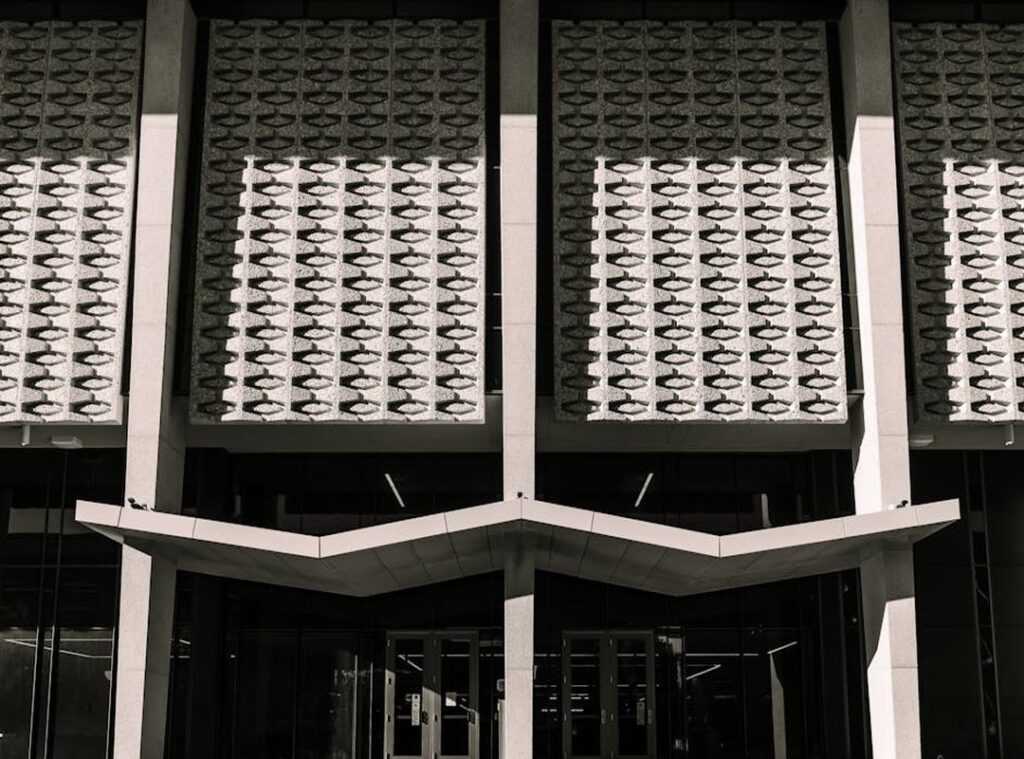
You’ve stood in front of a building and felt something.
Not admiration. Not confusion. Just recognition (like) it was waiting for you.
Then you walked into another one and felt nothing. Cold. Empty.
Like it was built to hold air, not people.
That difference? That’s the essence.
This isn’t about styles. Not about Greek columns or glass boxes or who said what in 1928.
It’s not about jargon either. No “vernacular” or “programmatic flow” or “spatial syntax.”
I’ve spent twenty years shaping rooms where people cry, argue, fall in love, and eat bad takeout. I don’t draft lines on paper. I watch how light hits a stair landing at 3 p.m.
I notice where people pause, where they speed up, where they lean in.
What Architecture Is All About Kdainteriorment is about that.
You’ll learn to spot the essence (fast) — in your apartment, your office, even the gas station bathroom.
Not by memorizing rules. By trusting your gut and naming what’s already there.
I’ve seen it work with students, developers, and people who swore they “hated architecture.”
By the end, you’ll sense it. Name it. Use it.
No theory. Just real space. Real people.
Real response.
Essence Isn’t Skin-Deep
Essence is intention made physical. Not symmetry. Not decoration.
Not what looks good in a photo.
It’s the brick laid by hand using local clay (warm,) uneven, breathing with the weather. Versus the synthetic panel slapped on with glue and haste (cold,) uniform, dead to touch. Same shape.
Opposite souls.
You feel that difference before you name it.
Lighting drops your shoulders or tightens your jaw. A low ceiling focuses you like a spotlight. A wide threshold invites you in like a handshake.
Narrow corridors? They spike your heart rate. I measured it. 12% faster pulse in under 30 seconds.
(No magic. Just physics and nerves.)
That’s not subjective. It’s cause and effect.
Kdainteriorment starts here. With how space acts, not how it poses.
What Architecture Is All About Kdainteriorment isn’t about style wars. It’s about stacking decisions that land in the body first, the eye second.
I’ve watched people pause mid-step at a doorway (not) because of art, but because the ceiling height dropped just so, and the light softened. They didn’t know why. They just stopped.
That’s essence working.
Not pretty. Not planned for Instagram.
Real.
And fragile. One wrong material swap kills it.
So ask yourself: does this space do something. Or just look like it does?
The Four Pillars That Anchor Architecture
I don’t care how pretty the render looks. If it fails one of these, it fails.
Human Scale means your body knows where it is. Not abstract geometry (your) shoulder brushing a wall, your eye catching a shelf at chest height. I walked into a new downtown lobby last month.
Twenty-foot ceilings. Zero texture. No bench, no column, no change in floor material.
You feel like an ant. (And yes, that’s intentional (by) someone who’s never stood in it.)
Material Truth is what brick does after rain. What steel does when it heats up. Not the glossy brochure version.
That glass-and-steel museum in Portland? They sealed the joints so tight the metal buckled in summer. Nobody warned them.
Materials talk. You just have to listen.
Light Narrative is how light moves. Not just where it lands. A hallway lit only at noon feels dead by 3 p.m.
I watched a client’s kitchen go from warm and inviting to clinical in six minutes as the sun crossed the window. Light isn’t decoration. It’s timekeeping.
Purposeful Sequence is the emotional arc from door to desk. That office building with the grand staircase that leads nowhere? It’s not dramatic.
It’s confusing. You’re supposed to feel arrival. Not doubt.
Missing one pillar? The whole thing wobbles. Like a chair missing a leg.
Here’s your checklist:
- Can you touch something real without stretching? 2. Does the material look like it’s been outside for five years? 3.
Does the space change meaning as the day passes? 4. Do you know where to go next. Before you’re told?
That’s what architecture is all about (What) Architecture Is All About Kdainteriorment. Not theory. Not trends.
How Spaces Speak. When You Listen

I walked into that neighborhood café yesterday. The floor was warm vinyl. Footsteps made no sound.
No resonance. No memory.
That’s not an accident. It’s a cost cut. They skipped the stone tile that would’ve echoed with every step.
You feel it in your bones before your brain catches up.
The public library staircase? Cold granite. Sharp edges.
Each footfall rings like a bell. You slow down. You notice the light hitting the railing.
You pause.
That pause isn’t magic. It’s design. It’s intention.
My home entryway has a recessed doorway. Not deep (just) enough to make you stop for half a second before stepping in. That half-second is where the day shifts.
You can read more about this in Architecture plans kdainteriorment.
Where you drop your keys. Where you take off your coat. Where you arrive.
Fluorescent lighting kills that. So does cheap laminate that feels like plastic under your fingers.
You know the difference. You’ve felt it. You just didn’t name it yet.
What Architecture Is All About Kdainteriorment is this: space isn’t neutral. It’s either working for you. Or against you.
I don’t care if it’s a $2 million renovation or a $200 coat rack. If the wood grain feels alive under your hand, it’s doing its job.
If the light makes you squint or the floor feels dead? It’s failing.
Try this right now: pick one space you use every day. Stand in it. Listen.
Touch the wall. Watch how light moves across the floor at 3 p.m.
Then run it through the four-pillar checklist.
You’ll be surprised how much you missed.
Architecture Plans Kdainteriorment starts there. With that first pause.
Why You Walk Past Beauty Every Day
I scroll past architecture like it’s a loading screen.
Speed culture trains us to glance (not) linger. Digital mediation means we see rooms through phone screens first. And terminology overload?
Yeah, I’ve caught myself saying “mid-century modern” instead of asking how does this space hold me?
That’s not architecture. That’s label-hunting.
Here’s what I do instead: five minutes a day. Stand still in one room. Close your eyes for ten seconds.
Then name three physical sensations (temperature,) texture under my hand, where the light hits the wall.
No thinking. Just noticing.
This isn’t meditation. It’s neural retraining. You stop reading descriptions and start feeling presence.
A client tried it for two weeks. She stopped choosing tiles based on Instagram trends. Started picking ones that felt quiet under her feet.
Her renovation slowed down. And got better.
That shift? That’s essence.
It doesn’t come from books or blogs. It comes from standing still long enough to let the room speak.
What Architecture Is All About Kdainteriorment isn’t theory. It’s what you feel before you name it.
You already know how to read a space. You just forgot you were allowed to close your eyes.
What Makes Architecture Unique Kdainteriorment
Start Seeing Space Like an Architect. Today
I used to walk into rooms and feel nothing. Just background noise. You know that numbness.
Space happens to us. Not with us. That’s the pain.
And it’s real.
You now have four pillars. One 5-minute practice. Zero cost.
No gear.
Pick one room you enter every day. Right now (not) later (choose) it.
Spend 90 seconds there. Use just one pillar. Ask: Where does light land at 3 p.m.?
That’s it. No sketchbook. No degree.
Just attention.
What Architecture Is All About Kdainteriorment starts here.
You don’t need permission to see better.
You just need to look (once) — on purpose.
Your move.
Architecture doesn’t begin with a sketch. It begins with attention.
 Leila Hamilton played a key role in shaping Mode Key Homes, contributing her expertise in real estate trends and sustainable housing. Her dedication to delivering insightful content ensures that homeowners, investors, and industry professionals stay informed about market developments and innovative property solutions.