
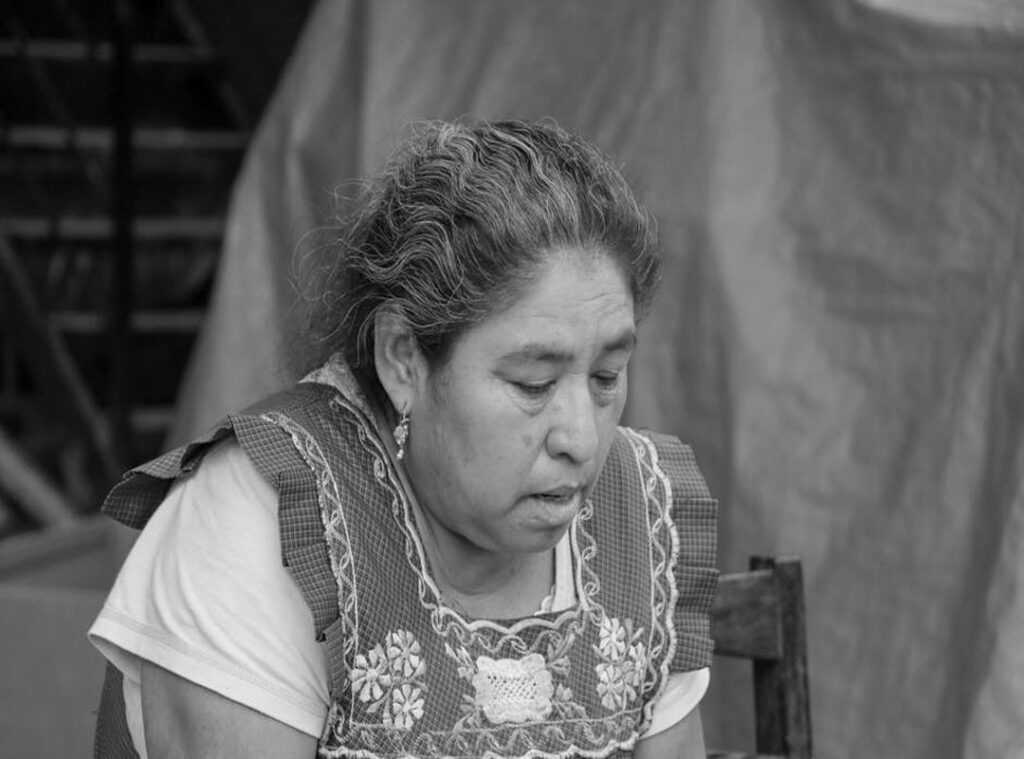
I’ve always been fascinated by the power of images. They can shape how we see the world and ourselves. But let’s be real, the way women are depicted in art and media often falls short.
Sometimes it feels like we’re stuck in a loop of stereotypes and narrow representations. It’s frustrating, right? We need more poto de persona mujeres that reflect the true diversity and complexity of women’s lives.
This article is all about exploring those different types and uses of women’s imagery. From classic paintings to modern ads, there’s a lot to unpack. I’ll share my thoughts on the latest trends, the issues we face, and what we can do better.
So, if you’re curious about how we can make a change, keep reading.
The Evolution of Women’s Imagery in Art
Women have been depicted in art for centuries, but the way they are portrayed has changed a lot. In ancient times, women were often shown as goddesses or idealized figures. Think about the classic Greek and Roman statues—perfect, serene, and almost otherworldly.
Renaissance artists started to humanize women more. They painted them with more realistic features and emotions. But even then, women were still often seen through a male lens, as objects of beauty or virtue.
Impressionism brought a breath of fresh air. Artists like Claude Monet and Pierre-Auguste Renoir captured women in everyday settings, showing them as real people with their own lives and stories. This was a big shift from the idealized, static images of the past.
Modernism took things even further. Artists began to challenge traditional roles and representations. Women were not just passive subjects; they were active participants in the world.
Think of Frida Kahlo’s self-portraits, which were raw, personal, and powerful.
Today, contemporary art is all about diversity and empowerment. You see a wide range of women’s experiences and identities. Poto de persona mujeres—images of real, diverse women—are becoming more common.
Artists are breaking down stereotypes and showing the complexity of women’s lives.
So, what does this mean? It means that art is finally starting to reflect the full spectrum of what it means to be a woman. And that’s a good thing.
Women’s Imagery in Media and Advertising
Women’s representation in media has been a hot topic for years. Television, film, and print publications often portray women in stereotypical roles. Think about it: how many times have you seen a woman cast as the damsel in distress or the perfect homemaker?
In advertising, the situation isn’t much better. Advertisers have long used idealized images of women to sell products. These images can set unrealistic standards and contribute to negative self-perceptions.
Back in 2019, there was a significant push for more positive and realistic representations. Brands started to realize that consumers were demanding authenticity. They began to shift their strategies, focusing on diverse and relatable imagery.
Poto de persona mujeres is a term that highlights the importance of authentic and diverse representation. It’s about showing real women in all their complexity and beauty.
Some campaigns have made a real difference. Dove’s “Real Beauty” campaign, for example, challenged traditional beauty standards by featuring women of all shapes, sizes, and ages. The impact was huge, sparking conversations and changing perceptions.
Pro tip: Always question the images you see. Ask yourself, does this represent the real, diverse world we live in?
Diversity and Inclusion in Women’s Imagery
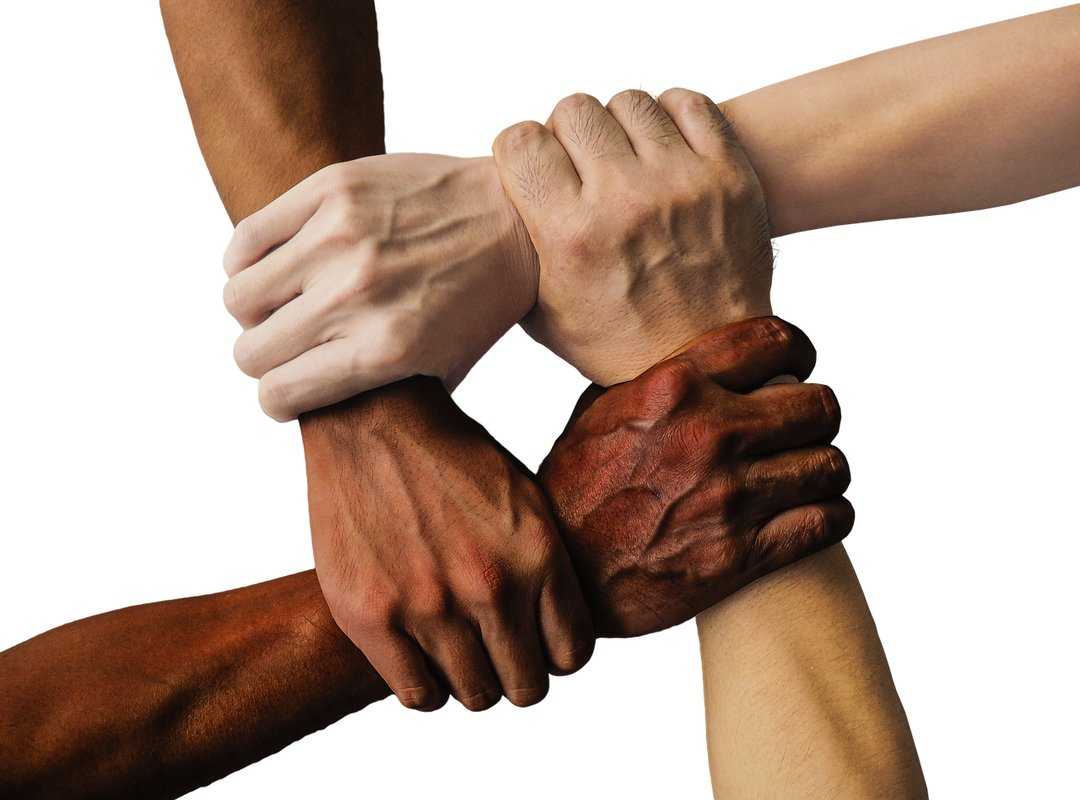
Importance of Diversity
It’s crucial to represent a wide range of women in terms of age, race, body type, and background. When we see diverse women in poto de persona mujeres, it helps everyone feel seen and valued.
Why does this matter? Because representation isn’t just about being fair; it’s about reflecting the real world. We all have different stories and experiences, and seeing that diversity in imagery can inspire and empower.
Challenges and Barriers
Achieving diversity and inclusion in imagery isn’t easy. There are systemic barriers like unconscious bias and lack of access to opportunities. These issues need to be addressed head-on.
Sometimes, it feels like we’re making progress, but then we hit a wall. It’s frustrating, but it’s also a sign that we need to keep pushing for change.
Success Stories
Despite the challenges, there are some amazing initiatives and organizations out there. They’re making significant strides in promoting diverse and inclusive imagery.
One example is the work being done by groups that focus on showcasing a variety of women in their campaigns. They’re not just talking about diversity; they’re living it.
We need more of these success stories. They show us that change is possible, and they give us hope for a more inclusive future.
(And hey, if you’re looking to transform your space, check out diy home renovation projects for beginners easy tips to save money and transform your space.)
Empowerment and Positive Representation
Empowering imagery is more than just pretty pictures. It’s about celebrating women’s achievements, strengths, and individuality. It’s about showing the world what we’re capable of.
Role models play a huge part in this. When we see positive role models in imagery, it can inspire and influence us in ways we might not even realize. Think about it: how many times have you felt a surge of motivation after seeing someone you admire?
poto de persona mujeres
Images that highlight diverse and strong women can make a real difference. They show that there’s no one-size-fits-all mold for success. Every woman has her own unique path.
We need to see more of these empowering images in our daily lives. Whether it’s in magazines, on social media, or in public spaces, they remind us of our potential. And that reminder can be incredibly powerful.
So, let’s keep pushing for more positive representation. Let’s celebrate the women who are making waves and inspiring others. Because when we see it, we believe it.
The Future of Women’s Imagery
The evolution of women’s imagery has seen a shift from stereotypical and limiting representations to more diverse and empowering portrayals. This change reflects a broader cultural movement towards inclusivity and equality. poto de persona mujeres now encompasses a wide range of identities, experiences, and backgrounds. Continued efforts are crucial to ensure that all forms of imagery represent women in a way that is both positive and realistic.
By supporting and advocating for such representations, we can contribute to a more inclusive and equitable society.
 Kenneths Houstonamic established Mode Key Homes to provide real estate enthusiasts, professionals, and homeowners with valuable insights. His vision drives the platform’s focus on market trends, sustainable housing, and property management, helping readers make informed decisions in the ever-evolving real estate landscape.