
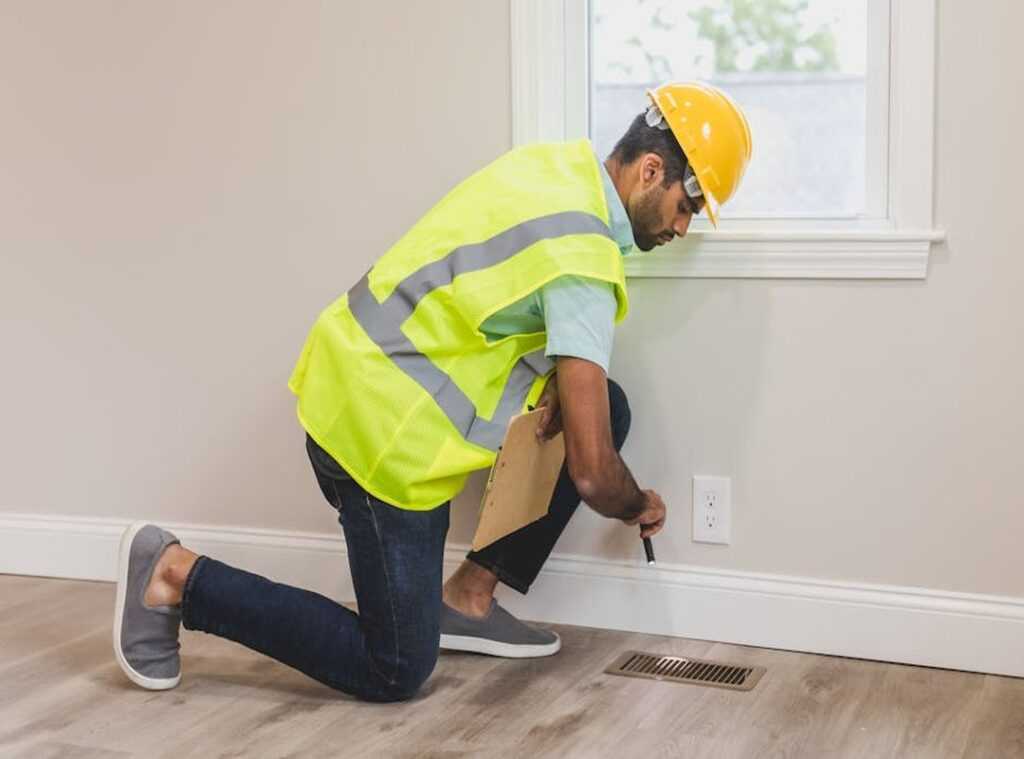
I forget things. Like changing the air filter. Or testing the smoke detector.
You do too.
It’s not laziness. It’s life. You juggle work, kids, groceries.
And somehow expect your brain to remember when the gutters need cleaning. Spoiler: it won’t.
That’s why I built a Building Checks Appchousehold. Not some fancy tool. Just a simple app that tells me what to check.
And when. No more sticky notes on the fridge. No more panic when the AC dies in July.
This article walks you through building one yourself. Step by step. No coding degree required.
I’ll show you how to set up reminders, track completion, and actually use it. Not let it collect digital dust.
You’re not building software.
You’re building peace of mind.
And yes (it) saves money. A clogged filter raises your energy bill. A dead battery in a smoke detector?
That’s not a cost (it’s) a risk.
You want control over your home’s upkeep. Not chaos. Not last-minute fixes.
So let’s build something that works. Not perfect. Not flashy.
Just yours. And ready by lunchtime.
Why You Need a Building Checks App
I used to forget smoke detector batteries.
Then my neighbor’s kitchen flooded because a slow leak went unnoticed for weeks.
That’s why I built the Building Checks Appchousehold. Not as a fancy tool, but as a real fix for real forgetfulness.
An app puts it in one place. No sticky notes on the fridge. No half-erased checklist in a notebook.
You’re not bad at remembering.
Your brain just wasn’t made to track furnace filters, coil cleanings, and CO detector tests all at once.
It reminds you before the water heater fails. Before the mold starts behind the shower tile. Before the $300 repair becomes a $3,000 rebuild.
Safety isn’t abstract.
It’s changing that battery this month, not next.
Appliances last longer when you clean them.
The app tells you when (and) logs it so everyone in your house knows.
You don’t need more willpower.
You need less friction.
Appchousehold works on your phone. No setup. No jargon.
Just checks. Done.
What Your App Actually Needs
I built a checklist app for my own household. It took three weeks. Not because it was hard (but) because I kept adding features that nobody asked for.
Start with this: a list of tasks. A way to mark them done. A date for when they’re due.
Or when you last did them.
That’s it.
Everything else is noise until those three things work smoothly.
Categories? Yes. But keep them dumb simple.
Monthly. Quarterly. Annually.
One-Time. Skip “Seasonal”. Nobody remembers what season it is in July.
(I forget. You will too.)
Your interface must feel like flipping a light switch. No menus inside menus. No icons that mean three things at once.
If your mom can’t tap “Mark Done” without reading instructions (you’re) not done.
Notifications? Helpful. Also annoying.
Turn them on after the app works without them. Most people disable them anyway. (I did.)
You don’t need analytics. Or sharing. Or dark mode on day one.
Building Checks Appchousehold means solving one real problem. Not building a platform.
Ask yourself: what’s the one thing that would make my life easier today? Not next month. Not after funding.
Today.
Build that. Then stop. Then use it for a week.
Then ask: what broke? What felt slow? What made me sigh?
That’s where your next feature lives. Not in a spreadsheet. Not in a meeting.
In your own frustration.
That’s how you avoid waste.
That’s how you stay human.
You Can Build an App Without Writing Code

I built my first app in an afternoon. No degree. No coding class.
Just me and a spreadsheet.
You don’t need to be a developer to make something useful.
If you can sort rows in Google Sheets, you can build a real app.
No-code tools like Glide or AppSheet turn spreadsheets into apps. You drag a button. You pick a column.
You hit publish. That’s it. (Yes, really.)
They connect straight to your data. So if your household checklist lives in a spreadsheet? It’s already half-built.
I tried building the same thing in Python once. Gave up after three hours. This took 22 minutes.
And it worked.
These tools are fast. Cheap. Often free for starters.
You skip debugging syntax errors and focus on what the app does.
Start with your data first. Not the app. Not the design.
Your list. Your schedule. Your notes.
Get that clean in a sheet. Then point the tool at it.
Want proof? Try building a Building Checks Appchousehold for your next renovation. It’s not magic.
It’s just structure.
The Home Building Appchousehold I used last month pulled live updates from a shared Sheet. My contractor got notifications. My spouse checked off items on her phone.
No emails. No screenshots. No confusion.
Why wait for “someday”? Your next app starts with a column header and a row of data. What’s the first thing you’d automate?
Build Your Own Household Checks App
I built mine in an afternoon. No coding. No fancy tools.
Just a spreadsheet and five minutes.
First I made a spreadsheet. Columns: Task Name, Frequency, Last Done Date, Next Due Date, Notes. That’s it.
No extra fluff.
Change HVAC filter. Stuff I forget until something breaks (like that time the furnace choked on a dirty filter).
Then I filled it with real tasks. Check smoke detectors. Clean gutters.
Next I connected it to Glide. AppSheet works too. Pick one.
Don’t overthink it. It reads your spreadsheet like it’s nothing.
I designed the app to show tasks in a list. Big green button to tap “Done”. No menus.
No tabs. Just what I need.
I tested it right away. Added “Oil garage door hinges” and marked “Clean gutters” complete. Felt stupidly satisfying.
Building Checks Appchousehold isn’t about perfection.
It’s about stopping the mental clutter.
You’ll forget things anyway.
So make the system do the remembering.
Need help picking tasks for sheds or garages?
Check the Garage shed guide appchousehold.
Your Home Won’t Wait
I built my first household checks list on a napkin.
It worked.
You’re tired of the panic when the water heater gurgles at 2 a.m. You’re sick of scrambling after the roof leaks (again.) That’s why Building Checks Appchousehold isn’t fancy. It’s just yours.
You don’t need perfect software. You need one place to track what needs doing. And when.
Start with a spreadsheet. Add three tasks. Do that today.
This isn’t about being “on top of things.”
It’s about sleeping through the night. It’s about knowing your furnace got serviced before winter hit. It’s it stopping small problems before they cost thousands.
Your home is aging. You’re not wrong to feel behind. But you can catch up (starting) now.
So open a blank sheet. Type “Garbage day,” “AC filter,” “Smoke detector batteries.”
That’s it. That’s step one.
Don’t wait for the emergency call. Don’t wait for the inspector’s report. Don’t wait.
Build your checks system today.
You’ll breathe easier tomorrow.
 Leila H. played a key role in shaping Mode Key Homes, contributing her expertise in real estate trends and sustainable housing. Her dedication to delivering insightful content ensures that homeowners, investors, and industry professionals stay informed about market developments and innovative property solutions.