
What Makes a Home “Passive”
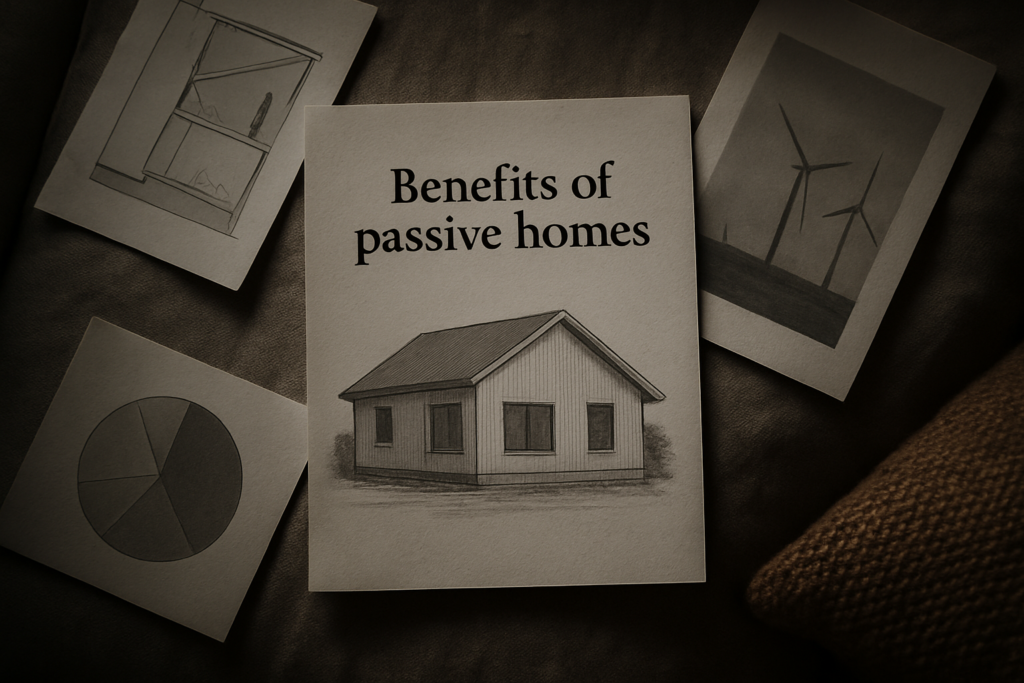
Passive homes aren’t just a buzzword they’re a systems level rethink of how buildings interact with their environment. The concept rests on four core principles: insulation, airtightness, ventilation, and solar gain. Each is simple enough on its own. Together, they flip the script on how we heat, cool, and live in houses.
Take insulation: it’s not about stuffing walls with more material, but about wrapping the entire structure in a continuous thermal envelope. Think of it as wearing a down jacket in winter heat stays where it belongs. Airtightness works in tandem, keeping unwanted airflow (and energy loss) in check. It’s not about sealing yourself into a plastic bubble it’s about controlling how outside air gets in.
That’s where ventilation kicks in. Passive homes typically use heat recovery ventilation systems, which bring in fresh air, filter it, and keep the heat (or cool) already inside. So you get air quality without energy waste. And solar gain? That’s smart window placement and orientation letting in winter sun to warm up your space and blocking it out in summer. All passive homes work with the climate, not against it.
Unlike conventional building codes that aim for minimum compliance, passive standards are performance based. It’s not about what’s allowed it’s about what works. The result: homes that use up to 90% less energy for heating and cooling, while staying comfortable year round. No compromise necessary.
Energy Efficiency at a New Level
Passive homes don’t just trim energy use they rewire the whole equation. By focusing on airtight construction, deep insulation, and strategic window placement, these homes slash heating and cooling demands by up to 90% compared to traditional builds. That means less need for massive HVAC systems and more comfort, year round, with minimal energy input.
In the real world, this translates to monthly utility bills that often look like typos. Homeowners report consistent savings, especially in regions with extreme weather swings. The architecture does the heavy lifting, and the result is a space that stays warm in winter and cool through summer, all with surprisingly little mechanical help.
So why are passive homes pulling ahead of classic green buildings? Simple: performance. Where many eco homes rely on high efficiency tech layered onto standard designs, passive homes bake sustainability right into the walls, roof, and layout. Fewer emissions, fewer repairs, lower costs without sacrificing comfort. For specifics on the health and financial upsides, check out Benefits of Green Homes.
Healthier Indoor Living

Passive homes don’t just save energy they make the air you breathe cleaner, fresher, and more stable year round. Mechanical ventilation systems with heat recovery keep indoor air circulating constantly, without the noise or discomfort of traditional heating and cooling. You’re not just filtering out allergens and pollutants you’re replacing stale air with fresh, oxygen rich flow on a loop.
Goodbye drafts, temperature swings, and mold creeping in unseen corners. Because of airtight construction and steady air movement, humidity stays in check and temperatures stay level room to room. That’s big for comfort, but it’s even bigger for long term health. Less airborne dust, fewer respiratory triggers, and a space that supports your sleep, immunity, and focus.
At its core, passive design isn’t just about efficiency it’s about living better today and protecting your wellness tomorrow. Learn more in Benefits of Green Homes.
Environmental Impact without Sacrificing Comfort
Passive homes don’t just promise lower energy bills they deliver meaningful cuts to carbon emissions. By slashing the need for external heating and cooling, these buildings operate with a fraction of the energy load used by standard homes. That translates to fewer fossil fuels burned and a smaller footprint year after year.
It doesn’t stop at performance. Passive design leans into long lasting materials like high efficiency windows, dense insulation, and airtight wraps that don’t need constant replacement. Less waste. Fewer deliveries. A lower cost to the environment over time.
But efficiency doesn’t mean soulless. Architects are trading trendy gimmicks for simplicity and smart design. Think: clean lines, adaptable spaces, and lots of natural light. The result? Homes that hold up to both environmental pressures and changing tastes. Because sustainability should look as good as it works.
Why This Matters Now
A Tipping Point in Energy and Climate
Rising energy prices and increasing climate volatility have placed sustainable housing at the center of global concern. In this environment, passive homes aren’t just an eco conscious choice they’re a practical and timely solution.
Heating and cooling costs are expected to rise across many regions
Energy grids face pressure from extreme weather events and higher overall demand
Reducing dependency on fossil fuels is no longer optional, it’s essential
Government Incentives Add Momentum
Governments are stepping in to accelerate the transition. Whether through tax rebates, grants, or streamlined permitting processes, passive construction is receiving increasing institutional support.
Local and national incentives are expanding for passive and zero energy homes
Some municipalities offer expedited approvals for certified passive buildings
Investing now can qualify homeowners and builders for substantial savings
Building for the Future
Passive design is quickly becoming a foundational element in the future of sustainable development. With performance metrics that consistently outpace conventional green builds, it is a forward proof investment that adapts to modern challenges.
Passive homes offer long term stability amid energy market uncertainty
Construction standards designed to last for decades, not seasons
High efficiency design ensures thermal comfort, air quality, and lower emissions
By blending urgency with innovation, passive homes represent not just a trend but the architectural blueprint for a sustainable and resilient future.
 William Taylor has been instrumental in building Mode Key Homes, focusing on commercial real estate and rental management strategies. His contributions help landlords and business owners navigate the complexities of the real estate market while maximizing efficiency and profitability.