
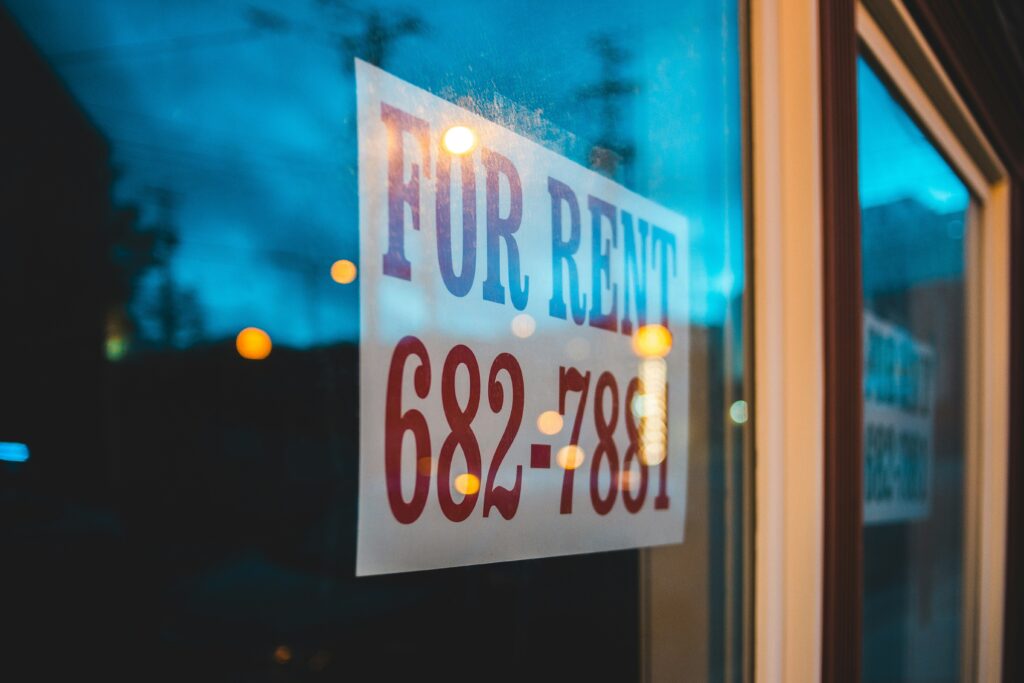
Understand Your Local Market First
Before you set a rental price, get clear on what your area is actually charging. Pull data on comparable properties same size, same type, similar amenities in your neighborhood. This isn’t guesswork. It’s about understanding the game before you try to play it.
Next, watch for seasonal trends. Rents dip and spike based on the time of year. For example, summer usually brings more demand, especially in college towns or cities with big relo cycles. Adjust accordingly.
Don’t forget your specific property. A newly renovated place with laundry in unit and off street parking can be listed higher than a similar one that hasn’t been touched since 1995. Tenant profiles matter, too. A studio in a tech hub might appeal to remote workers, while a 3 bed near schools hits differently for families.
Use what’s available: Zillow, Rentometer, even Craigslist. Better yet, reach out to a trusted local agent who knows the block by block nuances. Guesswork will cost you. Real intel keeps your price sharp and your tenants steady.
Balance Competitive Rates with Long Term Gains
Getting rental pricing right isn’t a guessing game it’s a balancing act. Price too high and you risk long vacancies that chew through your returns. Price too low and you’re leaving money on the table, often attracting tenants who aren’t a great long term fit.
The goal is to land in that sweet spot: your rate should signal value, not desperation. Take a hard look at what you’re offering, compare it to similar properties in your area, and make sure your rent aligns with the quality and perks of what you’re offering think upgrades, location, and amenities.
If occupancy dips, don’t be too quick to slash your price. Offering lease incentives like discounted first months, free parking, or minor upgrades can boost appeal without permanently lowering your income baseline. Price can be flexible, but only strategically. Smart owners play the long game.
Use Tiered Pricing Models
Not all tenants want the same thing, and your pricing should reflect that. Offering choices monthly vs. 12 month leases, furnished vs. unfurnished units gives renters the flexibility they want while giving you better control over revenue. Shorter leases or well furnished spaces? Charge a premium. People pay more for convenience.
Flexibility is a value add. Some renters are willing to pay extra for lease terms that line up with work assignments, school calendars, or life transitions. If you’re offering options, price them accordingly.
Creating clear, tiered packages think “good, better, best” helps renters self select what works for them without having to haggle. A basic package covers essentials. Mid level bumps up with upgrades like in unit laundry or partial furnishings. Top tier? Fully furnished, shorter lease, all utilities included. These tiers do more than boost income they simplify decision making for future tenants.
Reward Loyalty with Strategic Discounts

Renting isn’t just about numbers it’s about building relationships that last. Offering small rent reductions for long term renewals isn’t a giveaway; it’s a smart hedge against vacancies. Saving even 3 5% over a 12 month period can feel meaningful to tenants and it keeps your unit filled without the costs of turnover.
But rewards don’t have to be rent based. Sweeten the deal with tangible perks: cover a few months of parking, swap out that aging dishwasher, or repaint and refresh the space at no cost. These add ons show tenants you’re investing in their comfort and experience.
And when it’s time to raise the rent, take the long view. Skip the sharp hikes. Instead, plan for gradual, transparent gains that align with market trends. A steady $30 increase with a clear explanation will go over better than an unexpected $150 jump. Retention thrives on consistency, communication, and a bit of give and take.
Revisit Pricing Regularly Not Just at Lease End
Pricing shouldn’t be a once a year task. The strongest rental strategies treat pricing as a moving target. Reassess rent every 6 months even if no lease is ending. Conditions change fast: neighborhoods evolve, interest rates shift, new developments pop up. If you’re not checking in, you’re falling behind.
Smart landlords also watch supply and demand signals in real time. Is a flood of similar units hitting the market? Are local employers hiring or laying off? These shifts aren’t just headlines they should affect your pricing decisions.
Small, steady tweaks are better than big jumps. A modest increase every six months is easier for tenants to digest and more likely to result in renewals. It builds consistency and minimizes turnover.
For more ways to keep your rental game sharp, check out these practical rental management tips to stay ahead of the curve.
Use Communication to Justify Changes
Raising rent is part of owning rental property, but how you handle it can be the difference between keeping good tenants and watching them walk. First step: be upfront. If the increase is tied to rising maintenance costs, property improvements, or inflation, say so. Most tenants understand things go up. What they don’t appreciate is being blindsided.
Give plenty of notice ideally more than legally required and keep the message clear and professional. Avoid sugarcoating or vague language. State the new rate, the reason, and when it takes effect. Answer questions respectfully. When tenants feel like they’re part of the conversation, they’re less likely to treat rent hikes as personal.
At the end of the day, people stay where they feel valued. A well timed, well explained increase, delivered with respect, is far less likely to trigger turnover than a surprise notice with radio silence.
Stay Proactive, Not Reactive
Retention isn’t something you scramble to fix at the end of a lease it starts on day one. The moment a tenant signs, your job isn’t just collecting rent; it’s building a reason for them to stay. That starts with small actions: responding quickly to requests, checking in every month or two, and fixing things before they become problems. No flashy gimmicks just solid, steady service.
Want tenants to renew? Show them the property is improving. Whether it’s a fresh coat of paint, upgraded lighting, or better landscaping, minor investments signal that this isn’t a throwaway rental. It’s a home.
And don’t forget pricing isn’t separate from retention. Pricing too high can make a good tenant think twice about renewing. Pricing too low, and you attract churn. Nailing the right balance isn’t just smart it’s essential to long term property profitability.
For more ways to optimize your rental strategy, explore our full rental management tips guide.
 Maecherie Buchanan brought her creativity and knowledge to Mode Key Homes, enriching the platform with inspiring home renovation ideas and energy-efficient solutions. Her work ensures that homeowners have access to innovative ways to enhance and transform their living spaces.