
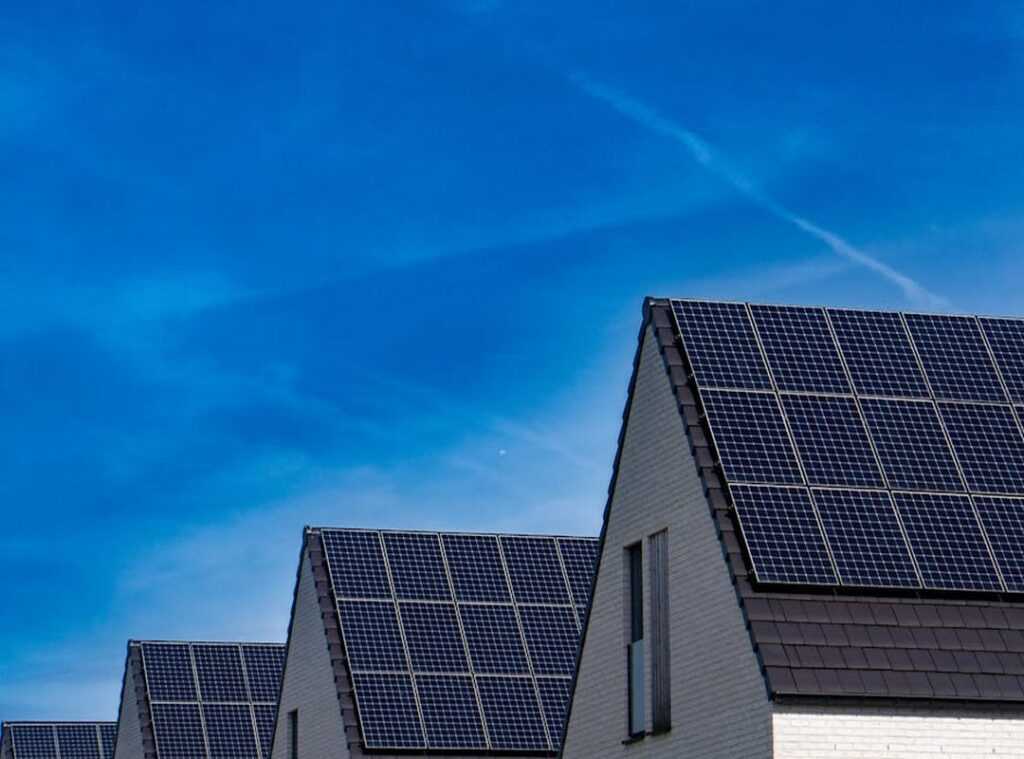
I built my own house. Not because I wanted bragging rights. Because I got tired of watching contractors shrug at questions like “What’s in this insulation?” or “Does this window actually save energy (or) just sound green?”
You want a sustainable home. But where do you even start? With so much noise.
Certifications, buzzwords, sales pitches. It’s hard to tell what matters and what’s just window dressing.
Let me be blunt: Sustainable Home Building Appchousehold isn’t about perfection. It’s about choices that add up. Choices that cut your bills.
Choices that keep your air clean and your energy use low.
And no. This isn’t just for people with six-figure budgets.
I’ve seen tight builds outperform fancy ones every time they prioritize the basics right.
You’re probably wondering: “Can I really do this without getting lost in jargon?”
Yes.
You’ll walk away knowing exactly which three decisions matter most. And why the rest can wait.
This article gives you those decisions. Clear. Direct.
No fluff. Just what works.
Why Go Green? Honestly, I’m Not Sure It’s Always Worth It
I built a sustainable home. I also paid more upfront. And I’m not sure the math always adds up.
You want lower bills. You get them. Sometimes.
Better insulation cuts heating costs. Fast appliances use less electricity. But your actual savings depend on your utility rates, your habits, and how well the builder actually followed the plan.
(Spoiler: they often don’t.)
Cleaner air indoors? Yes. Fewer VOCs from paints and adhesives means fewer headaches.
Less mold from tighter construction. If ventilation is done right. (It often isn’t.)
Resale value? Maybe. Buyers say they want green.
But when it’s time to sell, that solar array doesn’t always move the needle.
The Sustainable Home Building Appchousehold tries to track real-world performance. I use it. It helps (but) it won’t tell you if your house will save money.
I like my home. I like the quiet. I like knowing I used less energy.
But I won’t pretend it was simple. Or cheap. Or guaranteed.
Smart Design Starts Before the First Nail
I orient my house south. Not because it sounds nice. Because it works.
Sun hits low in winter. High in summer. I place big windows on the south side.
They soak up heat when I need it. Overhangs block that same sun when it’s too hot. (You’ve felt that glare on your couch in July.
Same thing.)
Natural ventilation? I open windows on opposite sides. Hot air rises and escapes through high windows.
Cool air rushes in low. No AC needed most days. You don’t need fancy software for this.
Just basic physics.
Insulation isn’t optional. It’s the quiet backbone. I use thick, continuous insulation in walls, roof, and floor.
Gaps kill efficiency. You’ll feel the difference the first cold night.
Compact footprint? Yes. Smaller homes use less material.
Heat and cool faster. Cost less to run. And no, you don’t need 3,000 square feet to live well.
Ask yourself: where do you actually spend time?
All this is part of Sustainable Home Building Appchousehold. It’s not about perfection. It’s about stacking smart choices.
One decision at a time.
You skip one thing. Say, skimp on insulation (and) the south-facing windows won’t save you.
Orientation matters. Window placement matters. Airflow matters.
None of it works alone.
What’s the first thing you’d change on your current lot?
Real Materials, Not Magic
I use salvaged wood because it’s already here. No trees cut. No kilns fired.
Just old barns and demolished houses giving up their bones.
Reclaimed metal and bricks work the same way. They’re not “greenwashed.” They’re just reused. (And yeah, they often cost more (I’m) not pretending otherwise.)
Bamboo grows fast. Cork regrows after harvest. Straw bales?
Grown in a season. These aren’t perfect. Bamboo can be shipped from halfway across the world.
So I check where it’s from first.
Local sourcing cuts transport emissions. But “local” isn’t always clear-cut. Is 100 miles local? 200?
I don’t know. I ask the supplier. And I listen to their answer.
Low-VOC paints? Yes. They don’t smell like a chemical plant.
You’ll breathe easier. Your kids will too. (That’s not speculation.
It’s chemistry.)
Durable materials last longer. Fewer replacements mean less waste. But durability means nothing if the product fails slowly behind the wall.
I’ve seen that happen.
Sustainable Home Building Appchousehold starts with admitting what I don’t know (like) whether that “eco-friendly” insulation is actually better long-term. Is a Garage Shed Worth It Appchousehold
I pick things that feel honest. Not perfect. Honest.
Cut Your Bills Without Cutting Comfort
I swapped my old fridge for an ENERGY STAR model last year.
It uses 15% less power than the one it replaced.
You feel that difference on your bill.
Especially here in Appchousehold where summer AC runs hard and long.
Solar panels? Yes, they work. My neighbor on Sycamore installed a 6-kW system and cut her electric bill by 70%.
She still pays something (but) not $220 in July.
LED bulbs cost more up front. They last ten years and use a quarter of the energy. I changed every bulb in my house over a weekend.
Low-flow showerheads don’t mean weak spray.
Mine feels just like the old one. But uses 1.5 gallons per minute instead of 2.5.
Rainwater harvesting isn’t just for farms.
A 50-gallon barrel under my downspout waters my tomatoes and peppers all season.
Smart thermostats learn. Mine turns down the heat when I’m at work and warms the house before I get home. No more forgetting to adjust it.
This isn’t about sacrifice. It’s about control. Over your bills.
Over your comfort. Over how your home runs.
Sustainable Home Building Appchousehold means starting with what you already use. Then using less of it.
Want to know which upgrades actually pay off before you build or remodel? learn more
Your Home Can Change Everything
I built mine. You can too.
It’s not about perfection. It’s about starting where you are.
You want lower bills. You want cleaner air inside your home. You want to stop feeling guilty every time the thermostat clicks on.
I get it. That’s why Sustainable Home Building Appchousehold exists. Not as a buzzword, but as a real tool for real people.
You don’t need a degree. You don’t need a six-figure budget. You need one solid next step.
Call a local green builder this week. Ask three questions. Take notes.
Or open Sustainable Home Building Appchousehold right now and find materials that actually fit your climate. And your wallet.
This isn’t some distant dream. It’s your next phone call. Your next Google search.
Your next decision.
You already know what feels wrong about your current setup.
So why wait for “someday”?
Start today.
Build smarter. Breathe easier. Pay less.
Go.
 Leila H. played a key role in shaping Mode Key Homes, contributing her expertise in real estate trends and sustainable housing. Her dedication to delivering insightful content ensures that homeowners, investors, and industry professionals stay informed about market developments and innovative property solutions.