
Staying Ahead of Costly Repairs
Catching problems early is the whole point of regular property inspections. A leak under the sink doesn’t seem like much until it rots the cabinet, warps the flooring, and invites mold. A small crack in the foundation might just be settling, or it might be the start of a structural nightmare. When you’re constantly walking the property with a critical eye, these things don’t go unnoticed.
Even the less dramatic issues matter. Drafty windows, pest droppings, a rattling HVAC unit these are warning signs. Inspectors (or attentive landlords) who spot them early can fix them fast and cheap. Wait six months? It might be a full system replacement or an extermination bill.
Preventative maintenance doesn’t just reduce emergencies it saves serious money. Think of it like changing the oil in your car. Skip it long enough, you’re not just replacing the oil you’re replacing the engine. Routine inspections work the same way for your property.
Protecting the Value of Your Investment
A property’s value doesn’t take care of itself. Routine inspections play a quiet but critical role in keeping your asset sharp inside and out. We’re talking about more than just checking for damage. Fresh paint, working fixtures, clean gutters, tidy landscaping these are all signals of a well cared for place. When these things slide, value does too.
Inspections help landlords stay ahead of the slow decay that chips away at curb appeal and livability. Over time, neglected properties become harder to rent and less appealing when it comes time to refinance or sell. On the flip side, clean maintenance records and consistently good condition boost appraisal values and draw the right kind of attention from lenders.
This isn’t about perfection. It’s about showing care over time, catching small stuff before it turns into big expenses, and making steady improvements that compound. Inspections keep your eye on that ball. Skipping them might save time upfront but it’ll cost you later.
Encouraging Tenant Accountability
Tenants treat your property better when they know someone’s paying attention. Routine inspections remind them the space isn’t invisible once the lease is signed. That doesn’t mean hovering it means showing that the property matters enough to check in on.
Every walk through is also a quiet checkpoint for both sides. It gives you a snapshot: is the place being taken care of? Are there early signs of damage tenants haven’t reported? Maybe it smells off, or there’s slow growing water damage you wouldn’t catch from behind a screen.
Documenting conditions cleanliness, wear, repairs needed builds a clear, evidence based record. That’s useful if trouble comes later, but more often, it heads off issues before they blow up. Rent payments don’t tell you if a faucet leaks, walls are stained, or the HVAC filter’s clogged. But a five minute visit can.
In short: don’t assume everything’s fine just because the rent arrives on time. A walkthrough tells a deeper story and keeps tenants honest.
Legal Protection and Documentation
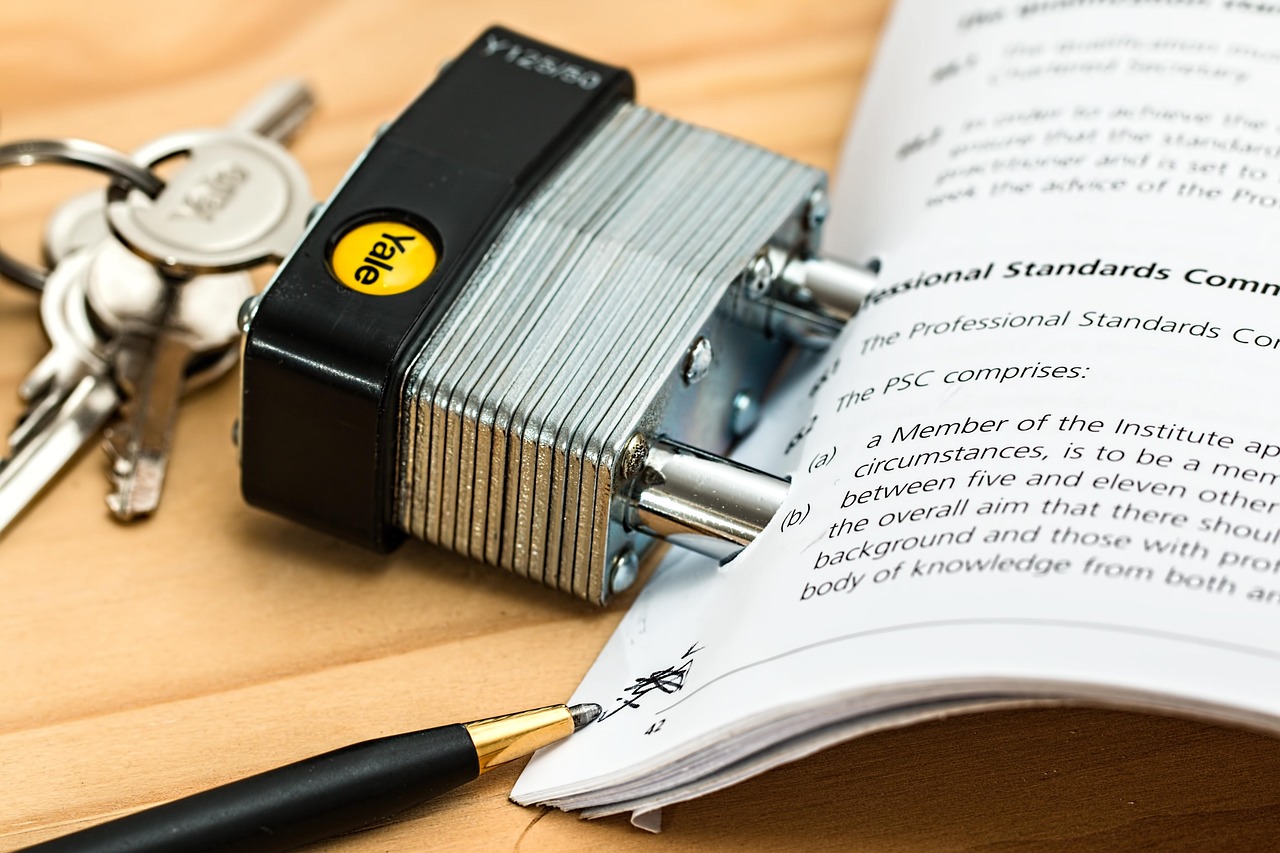
Routine property inspections aren’t just about checking if the gutters are clean they’re your first line of legal defense. Every walk through you conduct or delegate can produce a written report, time stamped and signed, that documents the condition of the property. That paper trail matters. If a tenant claims the damage existed before their lease began, or tries to dispute a security deposit deduction, your inspection records speak louder than opinions.
It’s not just about tenant disputes either. Insurance companies often ask for evidence of upkeep when processing claims, especially for water damage, mold, or structural problems. A recent inspection can be the difference between a payout and a rejection. On top of that, many local housing authorities require regular inspections to stay compliant. Missing them can lead to fines or worse, a suspension of your rental license.
In short: keep it routine, keep it documented. That file of inspection reports might never leave your drawer, but if the day comes, it can save you thousands.
Reducing Vacancy Rates
Routine property inspections aren’t just for spotting leaks or creaky hinges they’re a quiet but powerful way to reduce vacancy rates. Tenants want to live in spaces that feel safe, clean, and cared for. When a landlord stays on top of maintenance, it shows. A well kept property doesn’t sit empty long; renters notice the difference immediately.
Regular check ups send another message too: you care. And when tenants feel respected, they tend to stick around. It’s not about hovering, it’s about responsiveness. Fixing a minor issue before it becomes a dealbreaker is often the difference between keeping a great tenant or losing them to the building next door.
This routine builds trust and trust leads to renewals. Over time, inspections become more than just a task on your calendar; they become part of the reason strong tenant relationships form. In a market where rental churn costs real money, that kind of loyalty is worth its weight.
Efficiency Through Delegation
Many landlords love the idea of routine inspections until they run out of time to actually do them. This is where property managers come in. They don’t just manage your property; they create systems that keep it humming without dragging you into daily details.
Professional property managers streamline inspections by using set schedules, digital tools, and trained eyes. They spot issues early, document everything clearly, and handle tenant communication so you don’t have to. No guesswork, no last minute visits, and no awkward conversations over scuffed walls or leaky faucets.
The truth? Professional inspections are more thorough than DIY. Managers know what to look for, when to flag issues, and how to translate findings into action. You get peace of mind and a well kept property, all while staying hands off.
To dig deeper into what capable property managers handle behind the scenes, check out the benefits of property managers who take care of this crucial task.
Building a Stable, Passive Income Stream
Cash flow thrives on predictability, and nothing disrupts that more than surprise repairs or preventable issues. Regular property inspections help minimize those surprises. A leaking pipe caught early costs a hundred bucks; left unchecked, it’s a few thousand. That kind of difference adds up across a portfolio.
The effort required? Minimal. Inspections don’t need to be invasive or time consuming. A seasonal walkthrough, a checklist, a follow up small moves that keep things running smoothly. And smoother operations mean fewer disruptions, faster tenant turnaround, and a better shot at keeping your income passive.
Think of inspections as your shortcut to smarter ownership. They’re habit forming in the best possible way. Once dialed in, they pay for themselves many times over. It’s one of those things that separates reactive landlords from the ones building long term wealth.
 Kenneths Houstonamic established Mode Key Homes to provide real estate enthusiasts, professionals, and homeowners with valuable insights. His vision drives the platform’s focus on market trends, sustainable housing, and property management, helping readers make informed decisions in the ever-evolving real estate landscape.