

Keep Leases Clear and Bulletproof
Overcomplicating a lease is one of the fastest ways to create confusion or worse, legal trouble. Spell out everything in plain, no fluff language. That means the amount of rent, when it’s due, what counts as late, what fees apply, and who handles repairs. Be direct. If a tenant has to read it three times to understand it, it’s not clear enough.
Don’t reinvent the wheel. Use customizable lease templates that are based on local laws. There are tons of vetted options online that can save you from rookie mistakes. Just make sure the template covers your property’s unique needs pets, parking, utilities, etc.
Landlord tenant laws shift more than you’d think. One change in your state or city could make parts of your lease outdated or illegal. Stay on top of updates. Subscribe to local property management newsletters, or better yet, consult a real estate attorney annually. A clean, legal lease isn’t just smart it’s protection.
Use Digital Tools to Stay Organized
If you’re still managing leases with spreadsheets and sticky notes, you’re making things harder than they need to be. Today’s lease tracking apps and full fledged property management software can handle everything from storing documents to flagging important dates. They keep your paperwork clean and your schedule tight.
Set up automated reminders so you’re not caught off guard when a lease is about to expire or an inspection is due. These alerts take the mental load off your plate and keep small issues from becoming big problems.
And if you’re still printing out leases and chasing down wet signatures? Stop. Digital signature tools let you send, sign, and store lease agreements without anyone leaving their couch. It’s fast, legally sound, and keeps the whole process moving without bottlenecks.
Tech won’t replace good judgment but it will keep your operation lean and on point.
Plan Ahead for Lease Renewals and Turnovers
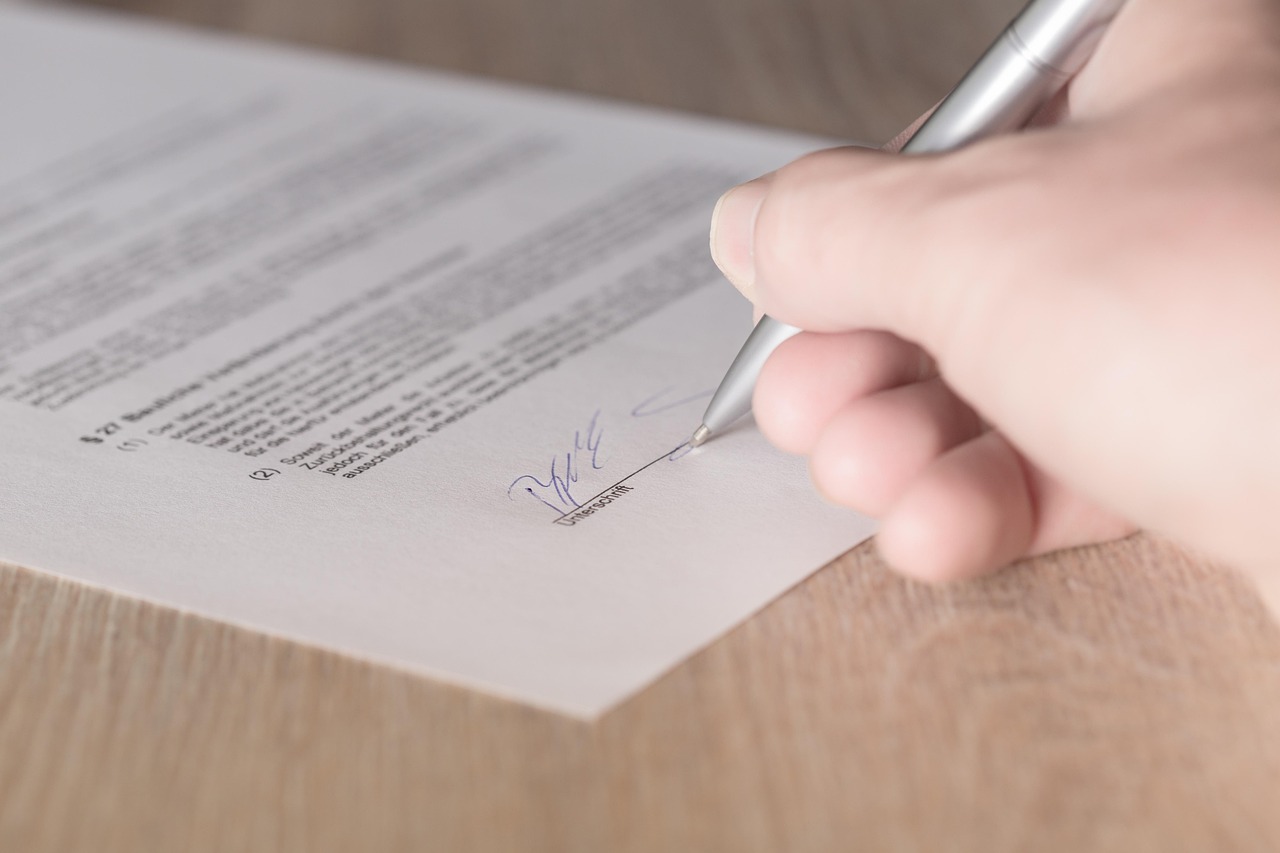
Effective lease management doesn’t stop once the lease is signed it requires proactive planning, especially when it comes to renewals and turnovers. Minimize vacancy risks and tenant related surprises with these simple but smart strategies:
Start the Renewal Process Early
Don’t wait until the last few weeks to discuss renewals. Initiating conversations well before the lease ends helps you:
Gauge whether a tenant plans to stay or leave
Offer renewal incentives or adjust terms if needed
Reduce downtime between tenants
Recommended timeline: Start renewal discussions 60 90 days before the lease expires.
Screen New Tenants in Advance
If you know a tenant isn’t renewing, start pre screening potential replacements.
Early screening gives you a jump on:
Verifying income and references
Checking rental history and criminal background
Filling the unit faster with qualified candidates
Being proactive here means fewer gaps in income and less stress.
Document Property Condition Thoroughly
Solid documentation protects you in the event of disputes over damages or security deposits.
Here’s how to do it effectively:
Conduct detailed move in and move out inspections
Use checklists and take timestamped photos or videos
Store records digitally for easy access later
Pre and post lease documentation is essential for fair and transparent turnovers.
Communicate, Document, Repeat
Verbal agreements are forgotten. Written ones aren’t. Any time you talk to your tenant whether it’s about a leaky faucet, a rent adjustment, or a noise complaint follow it up with an email or message in your property management app. It’s not about being strict. It’s about being clear.
A digital trail does more than protect you down the line. It helps cut through he said she said dramas and keeps expectations grounded. Repairs, notices, negotiations if it’s not logged somewhere, it didn’t happen. And if things ever go legal, your inbox can become your best ally.
You don’t need to write novels. Just keep it consistent, professional, and timely. The goal is to build trust without opening yourself up to risk. Good documentation doesn’t just cover you it tightens up how you operate.
Scale Without Losing Control
Managing one or two units may be manageable on your own but if you’re handling multiple properties, things can get complicated fast. Scaling your rental business doesn’t have to mean sacrificing organization or peace of mind. It simply means you need smarter systems and support.
Streamline Lease Management Across Units
Rather than juggling spreadsheets or paperwork, look for tools that help you centralize everything:
Use all in one property management platforms to handle leases, rent collection, and tenant communication.
Standardize your lease templates across properties for consistency and faster turnaround.
Automate administrative tasks like rent reminders, late fee notices, or maintenance workflows.
These strategies not only save time but reduce human error when dealing with multiple lease agreements.
Don’t Be Afraid to Delegate
You don’t have to do it all alone. If you’re starting to feel the strain of rapid growth:
Hire part time or virtual assistants to help with admin, tenant follow ups, or documentation.
Outsource maintenance or inspections to trusted local partners.
Consult a property management service if you’re scaling quickly and need full time support.
Bringing in help strategically can let you focus on the bigger picture: profitability, tenant satisfaction, and long term asset growth.
Want More Help Managing Growth?
For a deeper dive into optimizing multi unit property management, check out this resource:
Top Tips for Managing Multiple Rental Properties Efficiently and Stress Free
Takeaways Property Owners Shouldn’t Ignore
Managing leases effectively isn’t just about avoiding problems it’s about building a smoother, more profitable operation over time. These takeaways highlight why proactive strategies are essential for every property owner.
Build Smart Systems Early
Waiting until something goes wrong puts you on the defensive. Use streamlined systems from the start:
Lease management platforms help reduce manual tasks and human error
Automated reminders prevent missed deadlines and rent dues
Digital signatures and document storage ensure your files stay organized and accessible
Why it matters: These systems aren’t just for convenience they reduce the risk of legal disputes and make scale more manageable.
Prioritize Clear, Consistent Communication
Clear and repeatable communication practices protect you legally and professionally:
Follow up every verbal agreement with an email or app message
Document all repair requests and responses
Use a single communication channel to ensure nothing gets missed
Pro tip: Consistency breeds trust. It shows tenants you’re professional and attentive.
Don’t Wait Plan Proactively
Problems are easier to handle when you’re prepared for them:
Set reminders for renewal discussions and property inspections
Keep a checklist for property condition before and after each lease
Regularly review your lease terms to stay current with local law changes
Taking a step ahead today could prevent a leap backward tomorrow. Stay ahead of issues don’t just react to them.
 William Taylor has been instrumental in building Mode Key Homes, focusing on commercial real estate and rental management strategies. His contributions help landlords and business owners navigate the complexities of the real estate market while maximizing efficiency and profitability.